Solo Rehearsal or a Shared Run-Through?
Solo rehearsal or a shared run-through? Choose the right format to build a dependable performance, prepare for pressure, and make each teammate’s contribution count.

The relay team has practiced its individual legs, but the baton keeps arriving in the next runner’s hand at the wrong moment. Solo rehearsal or a shared run-through? The answer can shape whether strong individual effort becomes a dependable team performance.
Meaningful achievement often depends on more than one person doing their part. Rehearsal helps a group turn separate skills into a shared result, but the format should match the obstacle: a personal skill to strengthen, a team connection to coordinate, or both.
Choose rehearsal by asking what is holding the group back
Start with the next decision the team needs to make. Is someone still learning an individual responsibility, or can each person do their part but the group struggles to connect those parts?
That distinction matters because group time is limited by attention, not just by the clock. If one person needs to learn a difficult passage, focused individual work can reduce repeated stops. If the problem appears at a handoff, isolated practice cannot show whether teammates share the same timing or cue.
Use an observable question to keep the session purposeful. “Can the next runner see the outgoing runner’s signal?” is more useful than “Can we be smoother?” The first points toward something the team can watch and adjust together.
Use solo rehearsal to build a contribution the team can rely on
Individual rehearsal suits a task one person can improve without needing the whole group present. A musician can practice a difficult entrance with a metronome. A speaker can rehearse a transition sentence aloud. A craft team member can repeat a precise hand movement using the actual tool and material they will use in the shared work.
Keep the practice tied to the team’s larger aim. A person working alone should know what the group needs from their part: a clear cue, a steady rhythm, or a reliable sequence. A phone voice memo or a written cue card can help someone notice whether their part is ready to contribute, but teammates still need to coordinate the connection in context.
Solo work is not a way to assign blame or send someone away to fix a supposedly personal failure. It is a practical choice when a person can make progress independently and return with a stronger contribution.
Bring the group together to make shared effort work
A team’s hardest moments often happen between roles. One person gives a cue; another must recognize it and respond. A group can understand every individual assignment yet still disagree about when the next action begins.
A shared run-through makes those connections visible. Include enough context to understand the cue, then repeat the transition without replaying unrelated material. Ask what people actually saw or heard: Was the signal clear? Did the response begin at the agreed moment? Did everyone know who acted next?
Imagine a community theater cast preparing a scene change. The outgoing actors know their lines, and the incoming actors know where to stand, but the new scene begins while the stage is still being cleared. The group runs only the exit, clearing action, and entrance; they agree that the incoming speaker will wait for a visible hand signal. The expected observable result is a clear pause before the next line, so the stage crew and actors can see whether the new cue helps.
Combine solo and shared rehearsal when achievement depends on both
Some setbacks have two parts: a person needs to strengthen a skill, and teammates need to agree how to build on it. In that case, separate the work rather than asking one rehearsal format to solve everything.
Say a student panel is preparing a presentation. One speaker stumbles over a technical term, and the next speaker is unsure when to begin. The first speaker practices the term aloud using a note card with the word and the surrounding sentence. Then the panel rehearses only the handoff, with the first speaker finishing the sentence and making eye contact before the next person starts. The resulting decision is clear: if the term is now spoken steadily but the second speaker still waits for a cue, keep the group working on the handoff; if the term remains difficult, allow more individual practice while the panel settles the transition.
This approach treats a setback as information about the work, not a verdict on anyone’s ability. It also helps the team use its shared time for what only the group can resolve.
Track progress with observations that guide the next decision
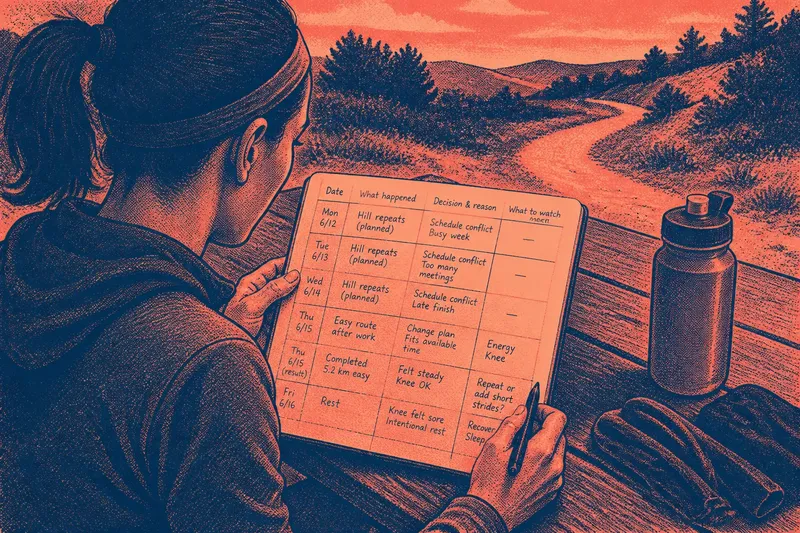
Brief notes can help teammates return to the same question instead of relying on broad impressions. Record the task, what happened, and what the group will try next. Avoid judgments about talent or effort; they rarely tell people what action to take.
- Check whether one person can perform their part without a prompt; if not, continue focused individual rehearsal, or give them a cue card or coaching support if they need a clearer reminder.
- Check whether the next person can see or hear the agreed signal; if not, make it more visible or audible, or choose a different cue that fits the setting.
- Check whether teammates agree on who acts next; if they do not, name the next role aloud and rehearse the handoff, or revise the role assignment if ownership remains unclear.
- Check whether a transition works when its immediate context is included; if it does, move on to the next unresolved connection, or narrow the passage if unrelated material obscures the problem.
- Check whether feedback names an observable event, such as a late entrance; if it does, try one adjustment, or ask the speaker to describe what they noticed if the comment remains vague.
- Check whether the chosen cue works for everyone involved; if it does, record it for the next rehearsal, or test another cue if a teammate cannot reliably notice it.
These decisions make progress easier to recognize without pretending that every difficulty has disappeared. A team can celebrate a clearer handoff and still name the next obstacle honestly.
Questions teams ask about solo rehearsal and shared run-throughs?
How do I know whether to rehearse alone or with the group?
Ask whether the obstacle belongs mainly to one person’s part or appears where teammates connect their work. Choose individual practice for a skill one person controls and shared rehearsal for timing, cues, or decisions that depend on the group.
Should everyone practice alone before meeting?
Only when individual preparation helps people contribute to the shared task. Agree on what each person should bring ready, while leaving group-dependent questions for the rehearsal together.
What should the group do when a transition still feels awkward?
Describe the sequence in order and identify the cue that is missing, late, or hard to notice. Change one part of the cue or timing, then repeat the same transition to see whether the observable problem changes.
How can a team keep rehearsal from turning into blame?
Talk about actions and signals rather than personal qualities. “The cue was hard to see from the back row” gives the team something to adjust, while a judgment about someone’s commitment does not.
Let the next rehearsal serve the shared accomplishment
Before people leave, write down what became clearer and what remains unsettled. A note such as “The entrance follows the drummer’s visible nod; try it with the full group next time” preserves a useful decision and gives the next rehearsal a starting point.
Solo rehearsal or a shared run-through is not a choice between personal effort and teamwork. Strong teams make room for both: each person develops a contribution they can rely on, and the group practices how those contributions meet. When a setback occurs, return to the specific point where progress stops and decide who needs to work on it together.